- Editor

- CategoryEssay
- DateNovember 26, 2025
If you had asked me five years ago whether a diabetes medication could turn a quiet weekday pharmacy into something resembling a high demand clinic, I might have hesitated. But now, having worked as a pharmacist through the whirlwind of the Ozempic boom, I can say with certainty that nothing in recent memory has transformed pharmacy operations the way this drug has.
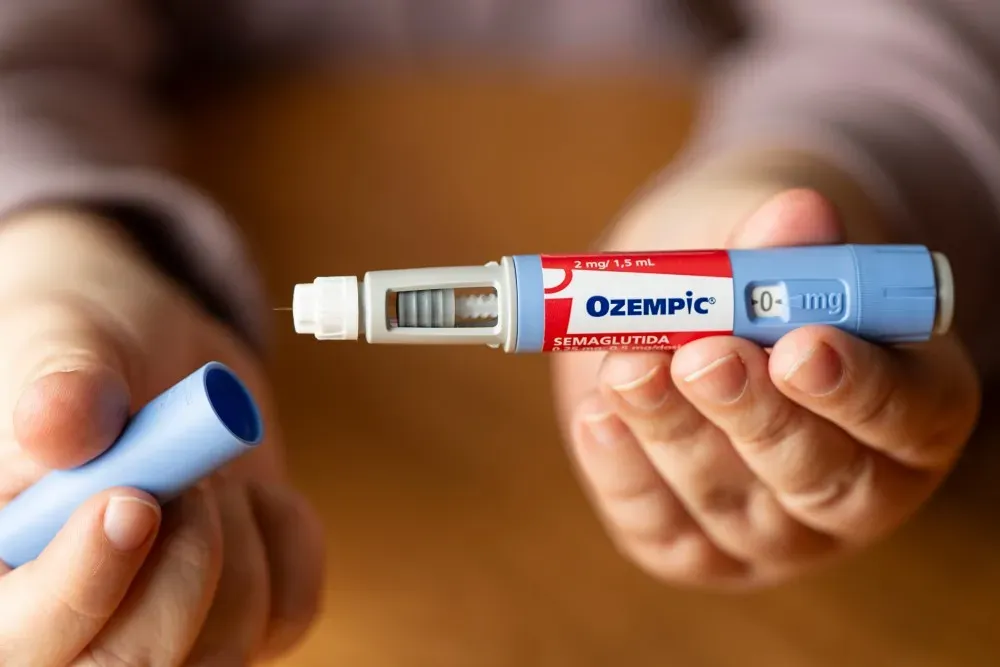
Ozempic was originally designed to treat type 2 diabetes. It helps patients regulate blood sugar and, through its effect on GLP 1 receptors, also reduces appetite and promotes weight loss. Over the past few years, interest in the medication spread far beyond endocrinology offices. Public attention, celebrity mention, social media hype, and an almost gravitational pull toward rapid weight loss created an enormous surge in prescriptions. Suddenly, this once predictable medication became the center of a national conversation that spilled directly onto pharmacy counters.
The changes were not simply in prescription volume. They were in the way that volume altered the entire rhythm of pharmacy work.
When Demand Outpaces Supply and Morale
Almost as soon as Ozempic’s popularity spiked, shortages followed. Independent pharmacies everywhere scrambled to obtain even a few boxes at a time. Some stopped ordering because reimbursement was too unpredictable or because the supply chain felt like chasing smoke. Patients arrived hopeful and left disappointed. For those managing diabetes, the shortage introduced real medical risk. For others seeking the drug primarily for weight loss, the frustration grew as the waiting list stretched endlessly.
I remember one woman clearly. She came to the counter holding a new prescription, her shoulders tense and her voice soft. She had struggled for months to get her diabetes under control. She asked when we might get Ozempic back in stock. I didn’t have an answer. Even if we placed an order that day, there was no guarantee it would arrive. That moment stayed with me. It was the sense of being unable to offer clarity or reassurance. I felt like I was witnessing the collision of hype and scarcity playing out directly in front of patients who depended on this medication.
Pharmacists Became Custodians, Gatekeepers, and Counselors
With Ozempic’s rise, the role of the pharmacist expanded in ways that few anticipated. We were no longer simply dispensing a chronic disease medication. We became educators explaining the difference between approved use and off label prescribing. We became gatekeepers trying to balance ethical considerations around supply prioritization. We became patient navigators sorting through insurance formulary rules, prior authorizations, or high out of pocket costs. And we became counselors to people newly swept up in a cultural moment that promised quick results without always acknowledging the complexities.
The number of calls soared. The same questions repeated throughout the day. Is it in stock. When is the next shipment. Will insurance pay. Is there an alternative. Some patients called every few hours. Others drove from pharmacy to pharmacy across entire cities searching for a single pen.
The administrative load grew so rapidly that it often overshadowed the clinical aspects of the job. This was a textbook example of how a single drug can reshape workflow more than any new regulation ever could.
Supply Instability and the Rise of Unsafe Alternatives
As demand grew, so did supply inconsistencies. Even when manufacturers increased production, pharmacies could not rely on steady shipments. Some weeks we received too little. Other weeks, none at all. In the absence of reliable supply, patients began seeking alternatives.
Compounding pharmacies entered the conversation. Online vendors appeared seemingly overnight. Reports circulated about counterfeit or improperly formulated semaglutide being sold to desperate consumers. This created a new layer of responsibility for community pharmacies. We had to verify legitimacy, educate patients on risks, and navigate conversations around whether an off brand source was safe. These were not conversations we were trained for in school, yet they became routine.
I still remember a patient who came in with a vial purchased online, asking me to check whether it was legitimate. It had no NDC, no identifiable manufacturer markings, and a label printed in a font that looked like it came from a home laser printer. Telling patients that the product in their hands was dangerous became an emotional task of its own.
An Ethical Crossroads Inside the Pharmacy
The Ozempic surge forced a quiet ethical debate into the open. Who deserves priority when supply is limited. There are patients with diabetes who rely on the drug for glycemic control and patients with obesity who seek it for medically supervised weight loss. Then there are people who pursue it purely for cosmetic purposes, driven by rapid cultural trends.
When supply runs short, the pharmacy becomes a flash point for these competing interests. That burden often falls on pharmacists who must decide how to allocate limited stock. It forces uncomfortable questions about fairness. It exposes disparities between patients who can pay out of pocket and those who cannot. It highlights how quickly access can become inequitable when the public conversation around a drug moves faster than its production.
As pharmacists, our responsibility is to every patient. Yet the Ozempic moment revealed how difficult that responsibility becomes when demand is driven not only by need but by cultural momentum.
The Invisible Strain on Pharmacy Teams
The most overlooked part of the Ozempic surge is its effect on the emotional and mental health of pharmacy staff. The work became heavier and more unpredictable. The phone rang more often. Conversations took longer. Insurance troubleshooting became a daily lottery. And through it all, the expectation remained that everything should run smoothly.
I saw technicians end shifts with the tired slump of people carrying invisible weight. I saw pharmacists, myself included, feel drained not because the clinical work was difficult but because the interruptions were endless. It became harder to focus on verification. Harder to counsel thoughtfully. Harder to feel grounded in the clinical purpose of the job. The medication was not just a drug. It was a catalyst for an entirely new type of stress.
What Ozempic Reveals About the Future of Pharmacy
When I reflect on the past few years, I do not see Ozempic as a one time anomaly. I see it as a preview of what pharmacy will face more frequently. Social media accelerated the adoption curve of medication use. Public demand can rise faster than the supply chain can adapt. A single drug can reshape the workload of thousands of pharmacies in a matter of months.
This moment taught me that pharmacies are not simply dispensaries. They are buffers against the volatility of public demand. They are guardians of safety and educators for a population that often learns about medications through viral trends before speaking with a clinician. And they are vulnerable to the strain created when those trends collide with limited supply.
The Ozempic surge challenged us. It stretched our patience, our workflows, and our ability to maintain equilibrium in the face of uncertainty. But it also reminded me why pharmacy matters. We sit at the intersection of science, access, and human need. When that balance is disrupted, the profession feels the tremor first.
Ozempic will not be the last medication to create a moment like this. But it has given us a glimpse into what the future demands of us. Adaptation. Compassion. Resilience. And a clearer understanding that every prescription is more than ink on paper. It is a microcosm of all the pressures shaping modern healthcare.