
- Editor

- CategoryEssay
- DateDecember 9, 2025
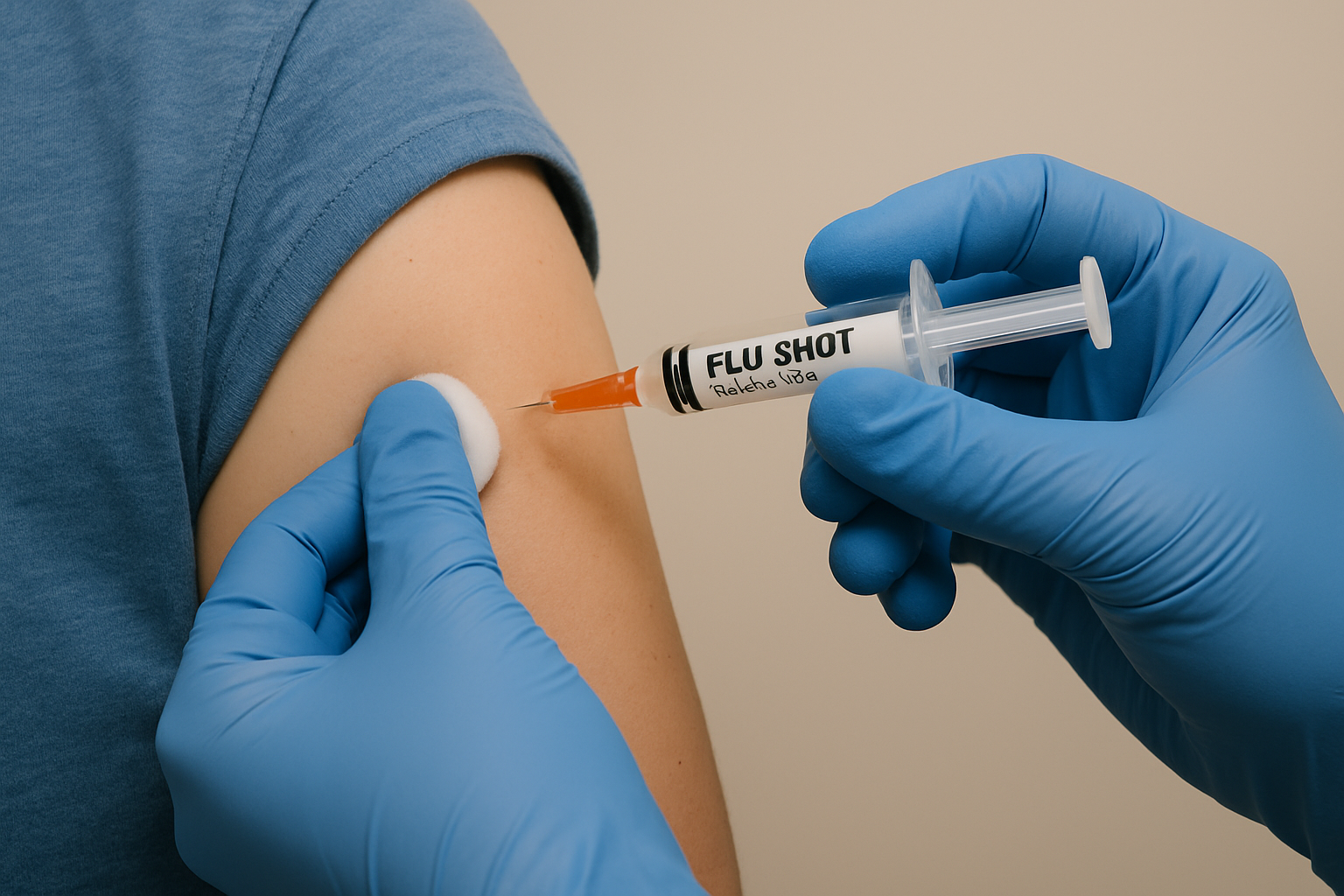
There was a time when vaccinations inside community pharmacies were a seasonal event. A few months of flu shots each fall, a predictable rhythm, a manageable flow. Today that world feels distant. Vaccines have become a year round expectation and pharmacies have quietly transformed into full scale immunization clinics without ever being formally redesigned to operate as such.
I still remember the first months of the COVID vaccine rollout. The pharmacy became something entirely new almost overnight. Waiting areas turned into makeshift observation zones. Pharmacists ran between verification stations and injection rooms. Lines stretched outside the building before we even opened. What felt like an emergency adaptation in 2021 has slowly solidified into a permanent shift. Pharmacies are no longer occasional vaccine providers. They are vaccination hubs for entire communities.
On the surface, this evolution seems admirable. Pharmacies have always been the most accessible touchpoint in healthcare. Of course they would become natural centers for immunization. But the surface tells only part of the story. Beneath it is an operational burden that has reshaped the daily lives of pharmacists and technicians in profound and often invisible ways.
Every vaccine given at a pharmacy creates a ripple of additional workload that the public rarely sees. Scheduling the appointment. Confirming eligibility. Screening the patient. Preparing the dose. Handling documentation. Billing insurance. Counseling. Monitoring for reactions. Cleaning the station. Answering unexpected questions. Repeating the entire sequence again and again, sometimes hundreds of times per week during peak seasons. The sheer volume transforms the pharmacy into a nonstop cycle of injections and administrative precision.
The biggest shift is how unpredictable the vaccine calendar has become. The flu season once had a predictable rise and fall. Now we have COVID boosters, RSV immunizations, travel vaccines, childhood catch up schedules, and a growing slate of adult immunizations that patients expect to receive at a moment’s notice. The pharmacy phone rings constantly in the weeks surrounding any new recommendation. Patients want to know if we have the vaccine yet, if they need an appointment, if their insurance covers it, if their children can receive it at the pharmacy, and whether they can get multiple shots at once. Each call by itself seems harmless. Together they pull attention away from verification, filling, counseling, and every other task that requires uninterrupted concentration.
Behind the counter, you can feel the tension that builds when vaccines collide with routine operations. A line of patients waiting to pick up prescriptions can form at the same time a line of vaccine recipients fills the waiting area. A pharmacist might be in the middle of a complex drug interaction consultation only to be pulled into an appointment they are already late for. The workflow becomes stretched in all directions, often without warning, and the staff are expected to absorb the overflow with professionalism and calm.
What weighs on pharmacists most is not the physical act of administering vaccines. It is the sense of constant fragmentation. Vaccine clinics inside pharmacies require us to shift roles minute by minute. One moment we are clinicians verifying a high risk medication. The next we are injecting a COVID booster. The next we are navigating insurance rejections for vaccine claims. The next we are being asked to rewrite someone’s entire understanding of vaccine science. These tasks call for very different mental modes, yet they all collapse into the same crowded workspace.
There is also an emotional element that grows heavier each year. Vaccines, once routine, have become subjects of cultural tension. Pharmacists now navigate everything from fear to anger to misinformation while trying to maintain safety and compassion. I cannot count the number of times a patient has arrived anxious or mistrustful, and the burden fell on the pharmacist to build trust in the span of a five minute counseling session. It is meaningful work, but it is also draining.
Despite all this, pharmacies continue to give more vaccines than ever because patients trust us. They trust the accessibility. They trust the speed. They trust the familiarity of walking into the same place they pick up prescriptions. Yet the systems supporting pharmacy staff have not caught up with this new responsibility. Workflows remain built for dispensing, not for running a small scale immunization clinic inside the dispensing operation itself.
Sometimes I imagine what a pharmacy built intentionally for vaccine delivery would look like. Separate staffing for immunizations. Dedicated consultation rooms. Streamlined scheduling portals. Real time insurance verification. Physical space that reflects the volume of patients seeking preventive care instead of squeezing them into a corner between greeting cards and a blood pressure machine. The demand clearly exists. The infrastructure does not.
And yet, despite the strain, I am proud of what pharmacies have become. We are not just places where prescriptions are filled. We have become public health pillars, serving as the first and often only point of contact for patients seeking protection against preventable diseases. The rise of vaccine clinics inside pharmacies is a testament to the adaptability and resilience of pharmacy professionals. But it is also a reminder that resilience alone is not a sustainable strategy.
The hidden operational toll deserves recognition. It deserves investment. It deserves design. Because vaccines are not going away. If anything, the list will continue to grow. And the people delivering them deserve workflows and support structures that reflect the reality of their workload, not the simplicity of the stereotype.
Pharmacies have shown that they can rise to the occasion. Now the system must rise with them.